Germantown Premier Chiropractic
Evidence Behind Our Care
Move Better. Feel Better. Live Better.
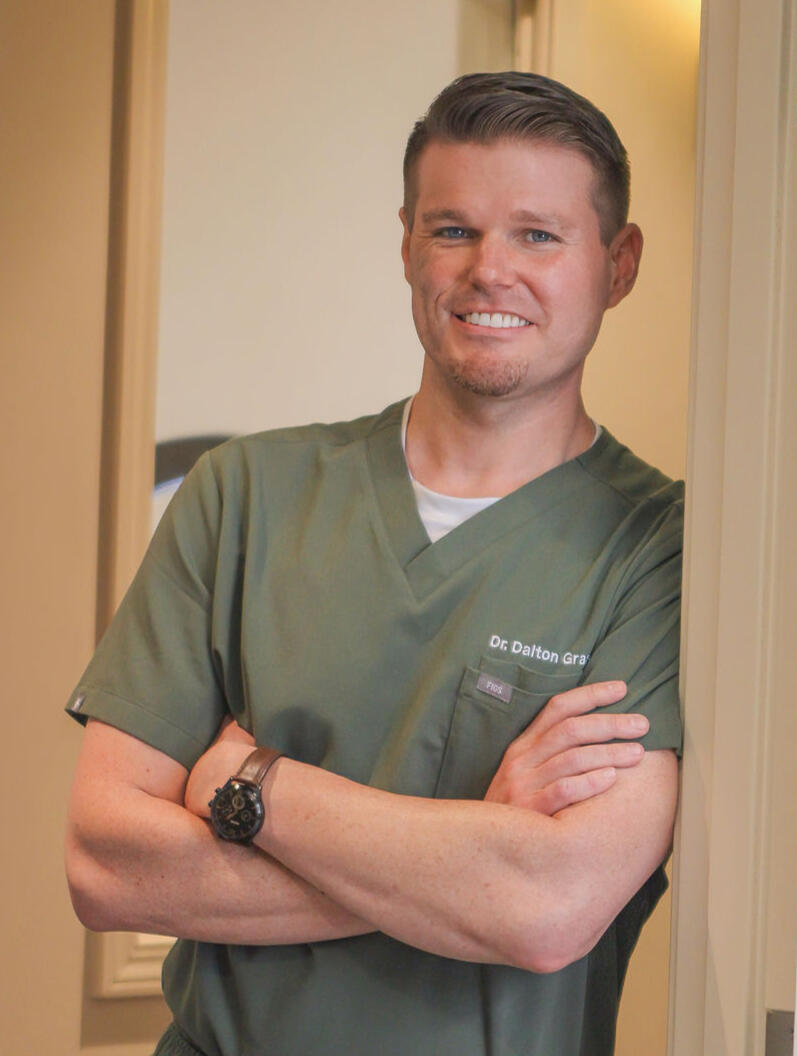
Dr. Dalton R. Grant, DC
Dr. Grant believes traditional chiropractic adjustments remain foundational, yet the strongest results occur when they are paired with contemporary rehabilitation methods.
To stay current, he regularly reviews the latest published studies and completes additional continuing education courses each year focused on emerging research. This ongoing learning allows him to refine treatment strategies and deliver more effective, longer-lasting outcomes for every practice member.
Why We Share Research
At Germantown Premier Chiropractic, we believe patients deserve more than just treatment, they deserve understanding. This page exists to educate our community on the science behind the care we provide.We regularly review current research related to spinal health, movement, recovery, and the modalities we use in practice. By sharing selected studies in plain language, our goal is to help you better understand why certain approaches work, what the evidence actually shows, and how that information shapes the recommendations we make in the clinic.This is not marketing. It’s education. We want the people we serve to feel informed, confident, and empowered in their health decisions.
Chiropractic Adjustments
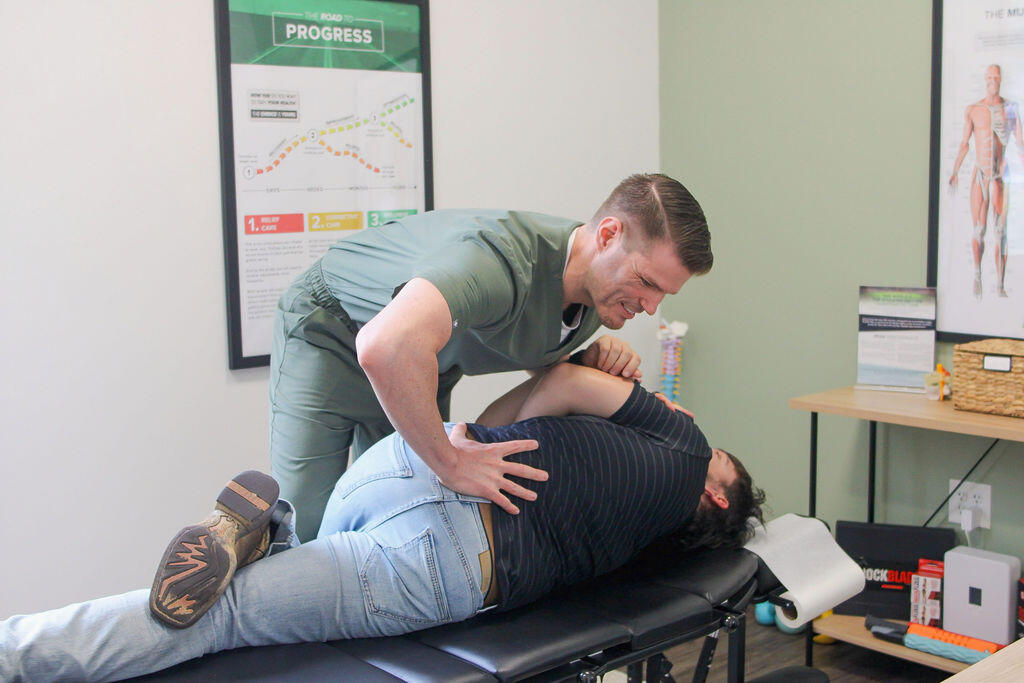
Today’s chiropractic is far more than spinal adjustments. It is a healthcare approach focused on how the nervous system, muscles, joints, and movement patterns work together.
The goal is to reduce pain, restore proper function, and help the body move the way it was designed to, efficiently and without restriction.
Modern chiropractors combine hands-on care with rehabilitation strategies, movement assessment, and current research to address the root causes of discomfort rather than simply masking symptoms.
The result is care that supports both immediate relief and long-term resilience.
Evidence Behind Better Movement
Move Better. Feel Better. Live Better.
Shockwave Therapy
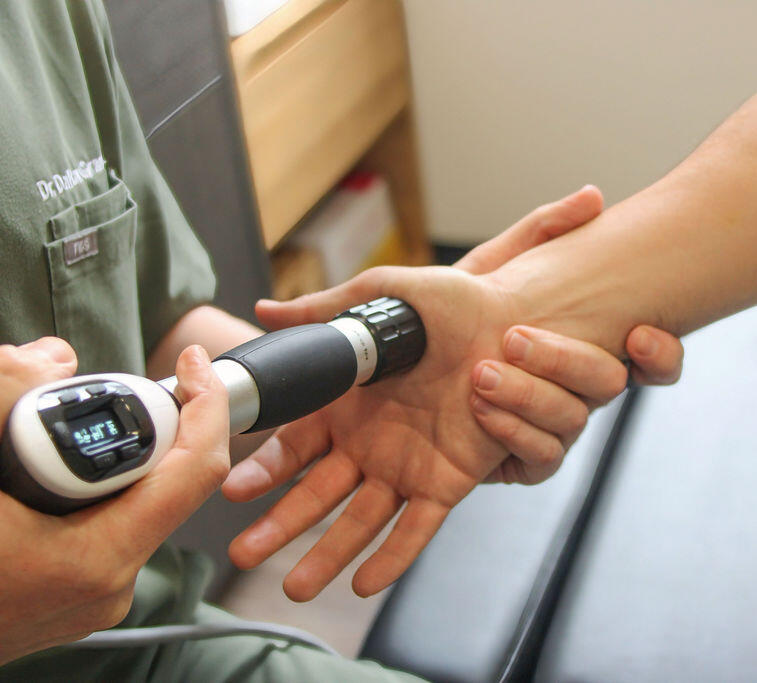
Shockwave therapy delivers controlled acoustic pressure waves into injured soft tissue. These waves trigger a biological healing response called mechanotransduction.
Research shows this stimulates new blood vessel growth, reduces local inflammation, promotes tissue repair, and decreases pain signaling. Modern studies support its use for plantar fasciitis, tendinopathies, and other chronic soft-tissue conditions, especially when paired with progressive rehab exercises. The treatment is non-invasive and helps many patients move beyond stalled recovery.
Evidence Behind Our Shockwave Care
Move Better. Feel Better. Live Better.
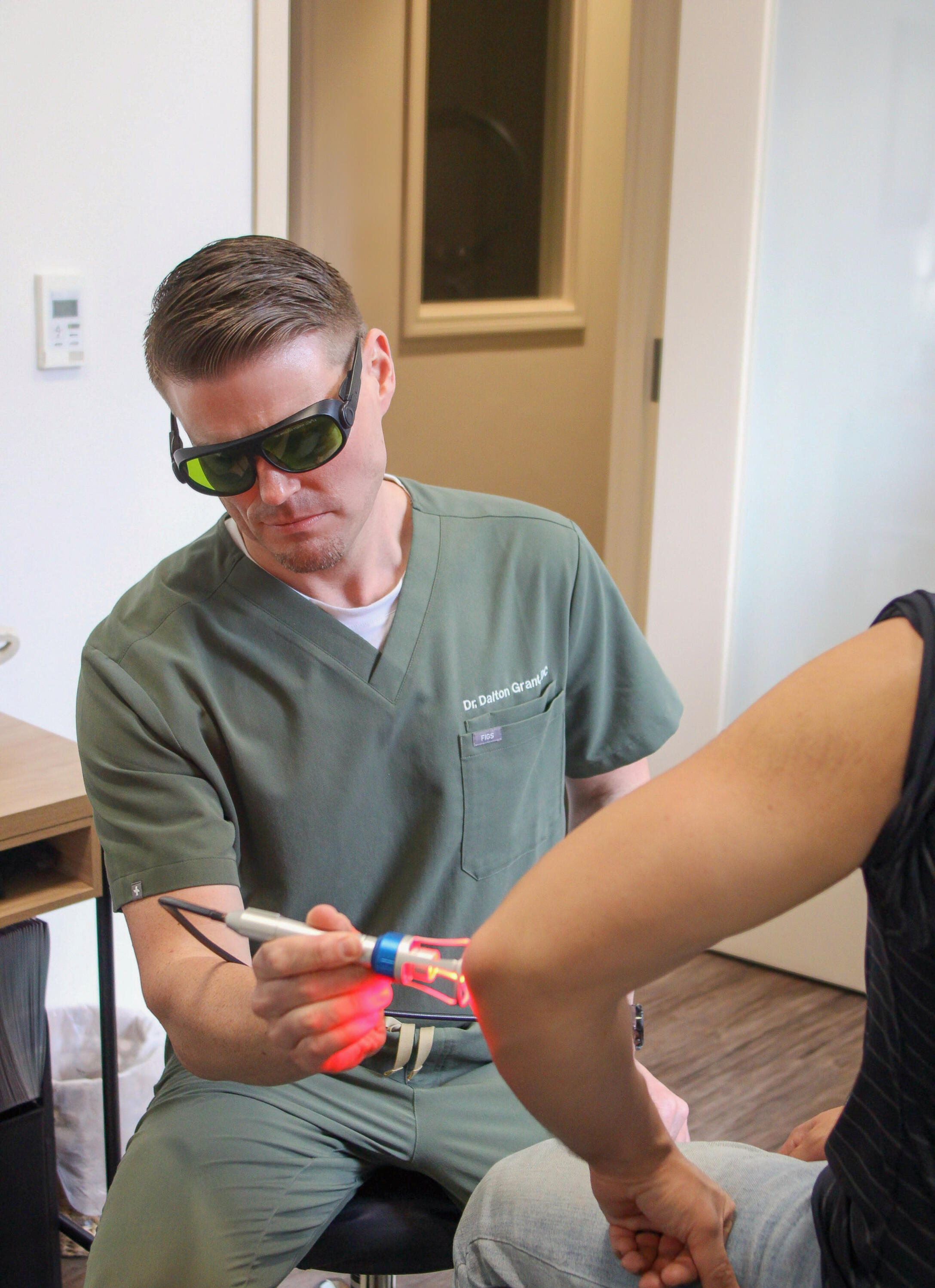
Class IV Laser
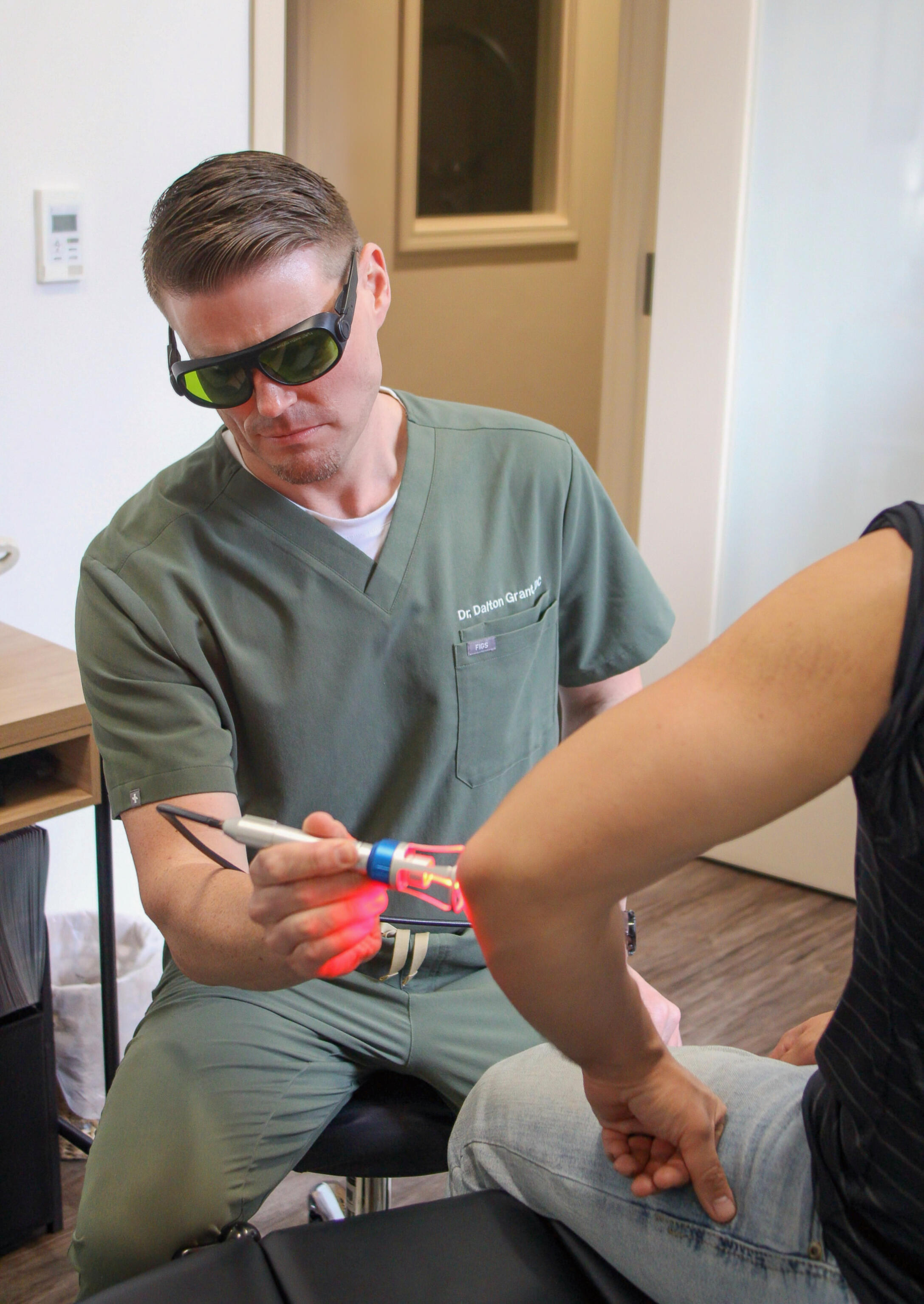
Class 4 (high-intensity) laser therapy delivers focused light energy deep into tissues to stimulate cellular repair. It boosts ATP production in mitochondria, reduces inflammatory cytokines, improves circulation, and decreases pain signals.
Modern research, including systematic reviews, shows it effectively lowers pain and improves function in musculoskeletal conditions such as back and neck pain, osteoarthritis, and tendinopathies. When combined with chiropractic care and rehab, it supports faster recovery and longer-lasting results without medication or downtime.
Research Supporting Laser Therapy
Move Better. Feel Better. Live Better.
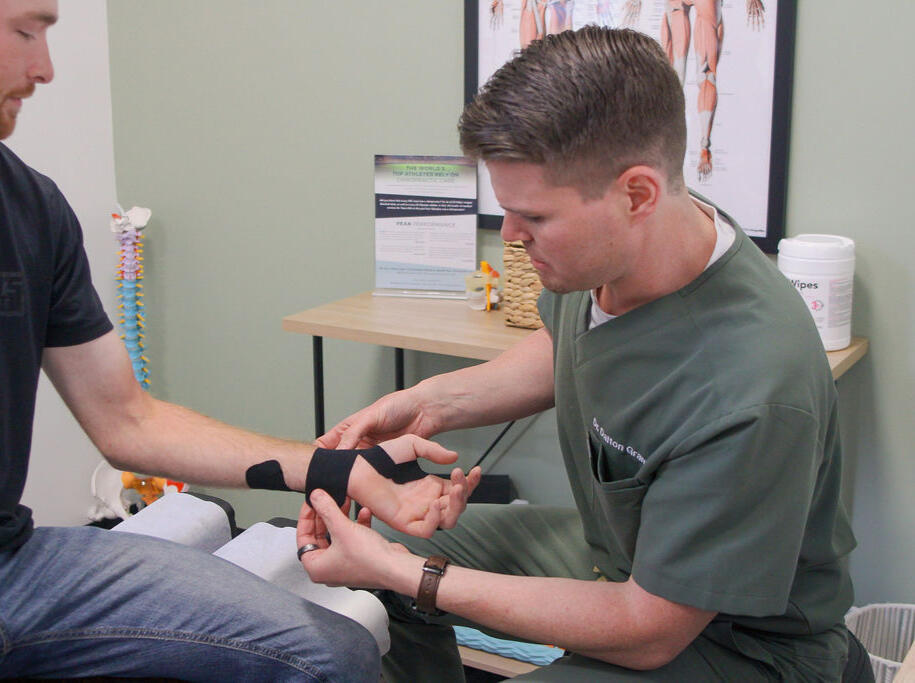
RockTape
RockTape is a premium brand of kinesiology tape, an elastic, breathable tape designed to support muscles and joints while allowing full movement.
When applied, it gently lifts the skin, which may improve local blood and lymphatic flow, reduce pressure on pain receptors, and enhance body awareness (proprioception).
Modern research shows mixed but promising short-term benefits. Recent reviews indicate kinesiology tape can provide modest, immediate-to-short-term reductions in pain and small improvements in function for certain musculoskeletal issues. Effects on strength and long-term outcomes remain less consistent, and overall evidence quality is often low. It is best used as a supportive tool alongside rehabilitation rather than a standalone treatment.
The Science of RockTape
Move Better. Feel Better. Live Better.
Exercises & BRF
Corrective exercises are targeted movements designed to fix muscle imbalances, poor movement patterns, and joint dysfunction. Research shows they improve postural alignment, neuromuscular control, and functional movement, helping reduce pain and lower injury risk over time.
Blood flow restriction (BFR) training uses specialized cuffs to partially limit blood flow during low-load exercise. Modern studies demonstrate that BFR produces strength and muscle gains comparable to heavy resistance training while placing far less stress on joints and tissues. This makes it especially valuable in rehabilitation, allowing patients to build strength earlier and more safely when traditional heavy loading is not yet appropriate.
Science Behind Our Laser Care
Move Better. Feel Better. Live Better.
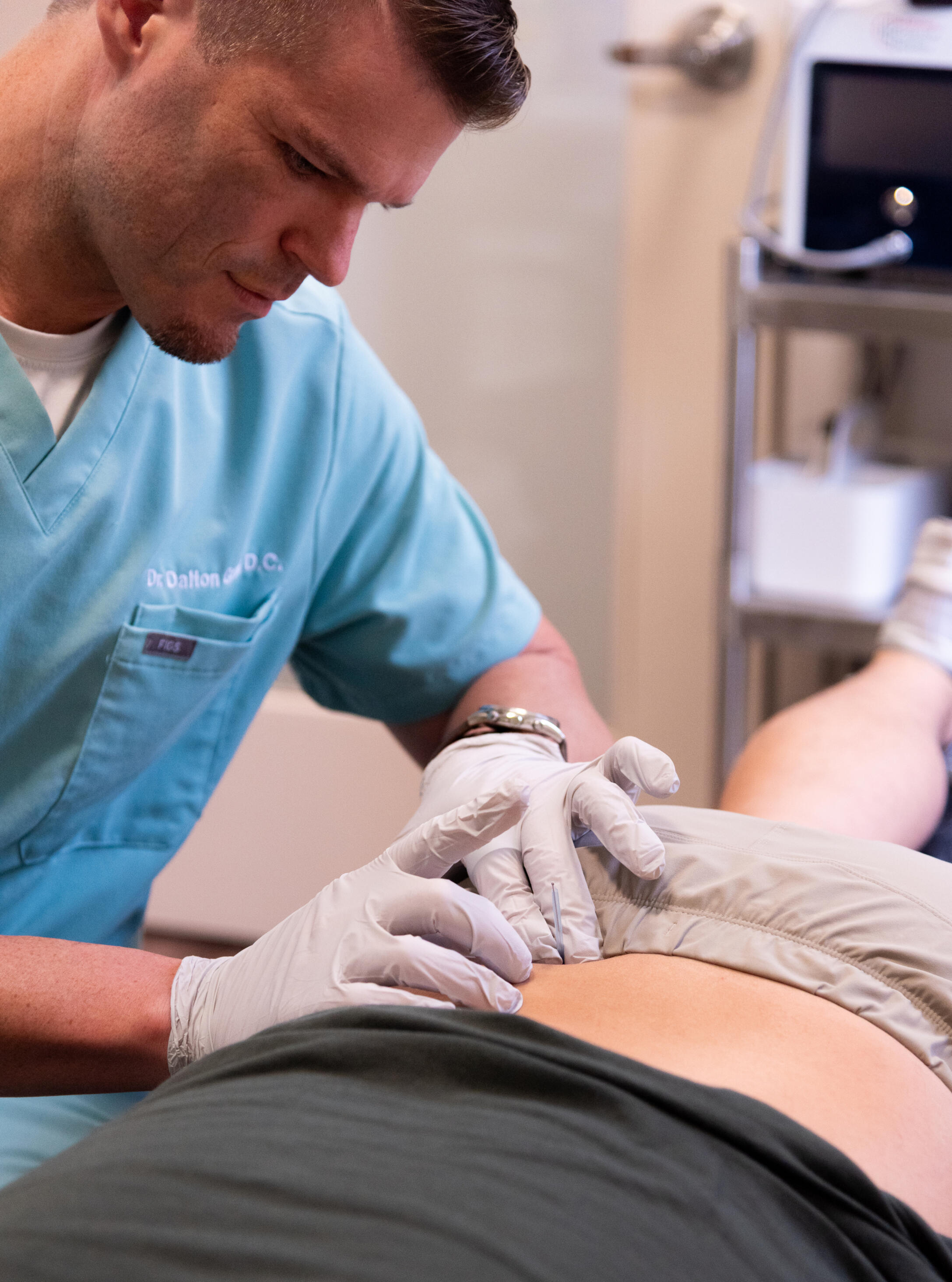
Dry Needling
Dry needling is a technique that uses thin, sterile needles inserted into tight muscle bands or trigger points to release tension and reduce pain. It targets myofascial restrictions that limit movement and contribute to discomfort.
Modern research, including multiple systematic reviews and meta-analyses, shows dry needling can decrease pain intensity, improve pressure pain thresholds, and enhance short-term function in conditions such as neck pain, headaches, and various musculoskeletal disorders. When combined with exercise or rehabilitation, results are often stronger. The technique appears to work by reducing local muscle irritability, improving blood flow, and influencing pain-processing pathways.
Research Supporting Dry Needling
Move Better. Feel Better. Live Better.
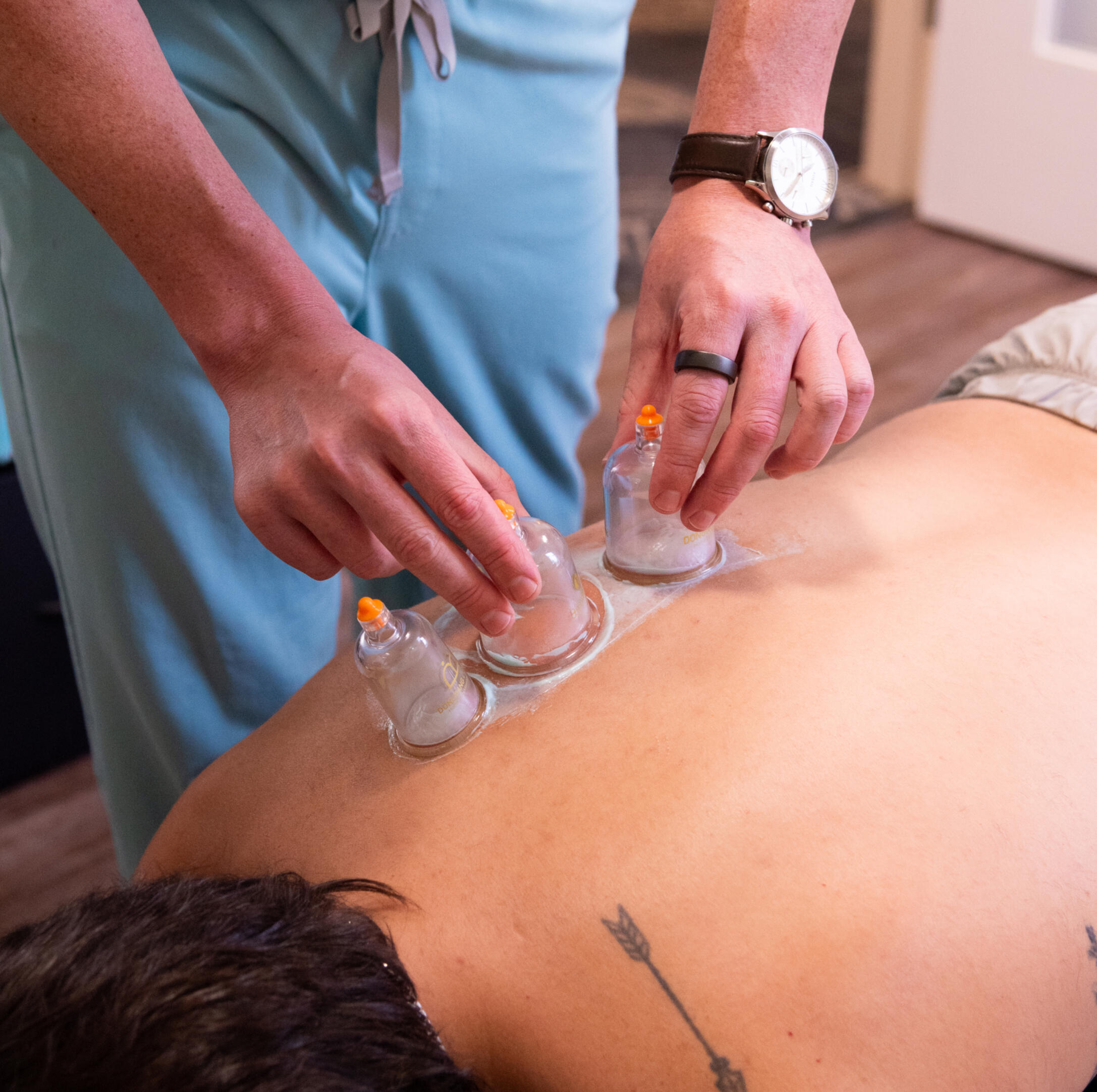
Cupping
Cupping involves placing specialized cups on the skin to create suction. This gently lifts the tissue, increasing local blood flow, reducing muscle tension, and promoting recovery.
Modern research supports its use for musculoskeletal pain. Studies show cupping can decrease pain intensity, improve range of motion, and lower markers of inflammation in conditions such as neck pain, low back pain, and athletic soft-tissue injuries. The mechanical effect on fascia and circulation appears to help release tight tissue and support the body’s natural healing response, making it a useful complementary tool alongside other rehabilitation strategies.
Evidence Behind Cupping Therapy
Move Better. Feel Better. Live Better.
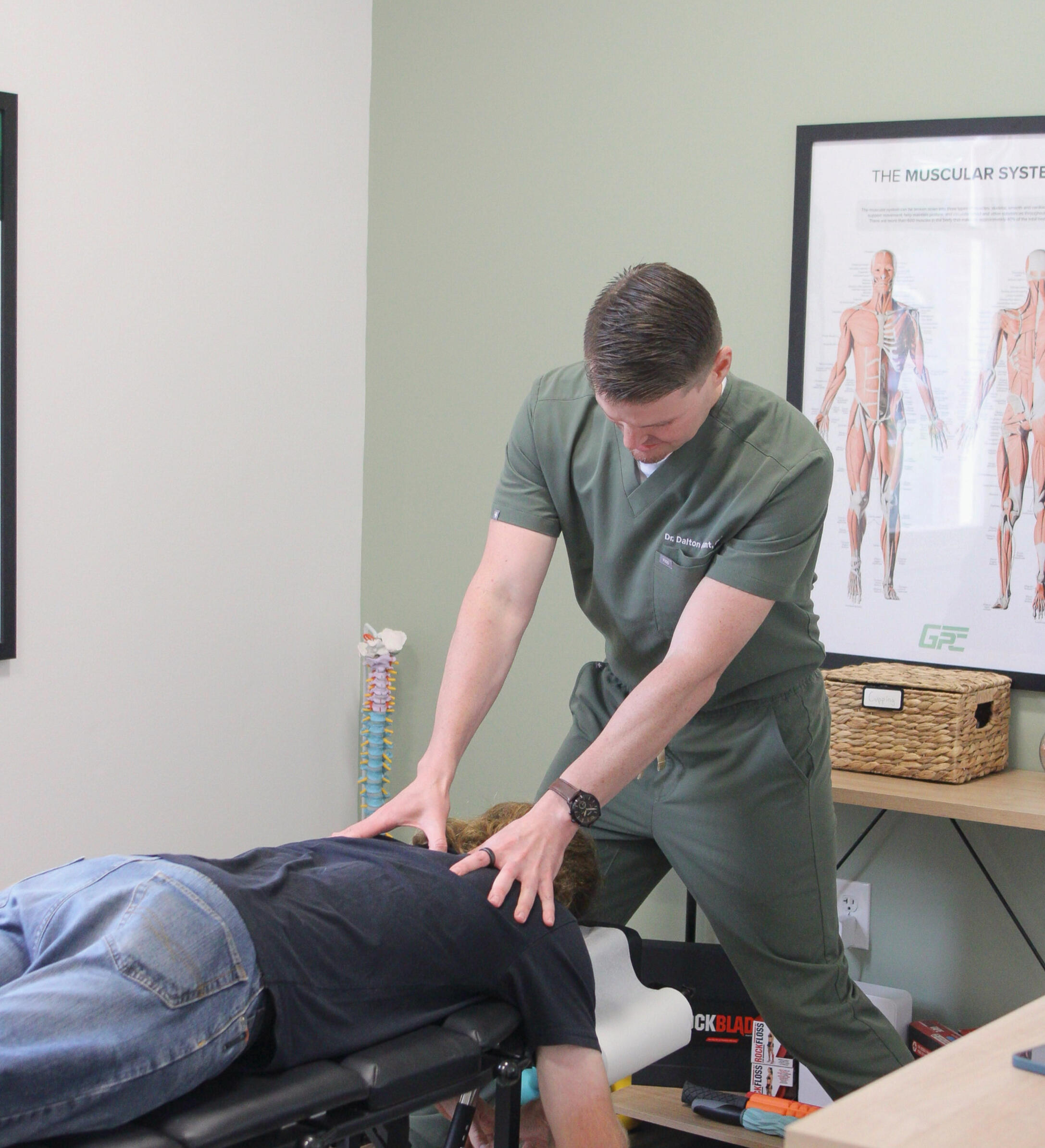
Trigger Point Therapy
Trigger point therapy targets tight, irritable spots in muscle (myofascial trigger points) that can cause local or referred pain and restrict movement. Manual pressure, ischemic compression, or needling is used to release these spots, improve blood flow, and reduce muscle tension.
Modern research, including systematic reviews and meta-analyses, shows this approach can lower pain intensity, raise pain thresholds, and improve range of motion in people with myofascial pain. When combined with other care, it often supports better function and faster recovery.
Science Behind Trigger Point Care
Move Better. Feel Better. Live Better.
IASTM
IASTM (Instrument-Assisted Soft Tissue Mobilization) uses specialized tools such as RockBlades to detect and treat soft-tissue restrictions, adhesions, and scar tissue. The instruments allow precise pressure that helps break down fascial barriers, improve tissue mobility, reduce pain, and restore range of motion.Modern research shows IASTM can stimulate a controlled local inflammatory response that promotes tissue remodeling and healing. When combined with movement and rehabilitation, it often leads to faster recovery, better function, and longer-lasting results for patients with musculoskeletal conditions.
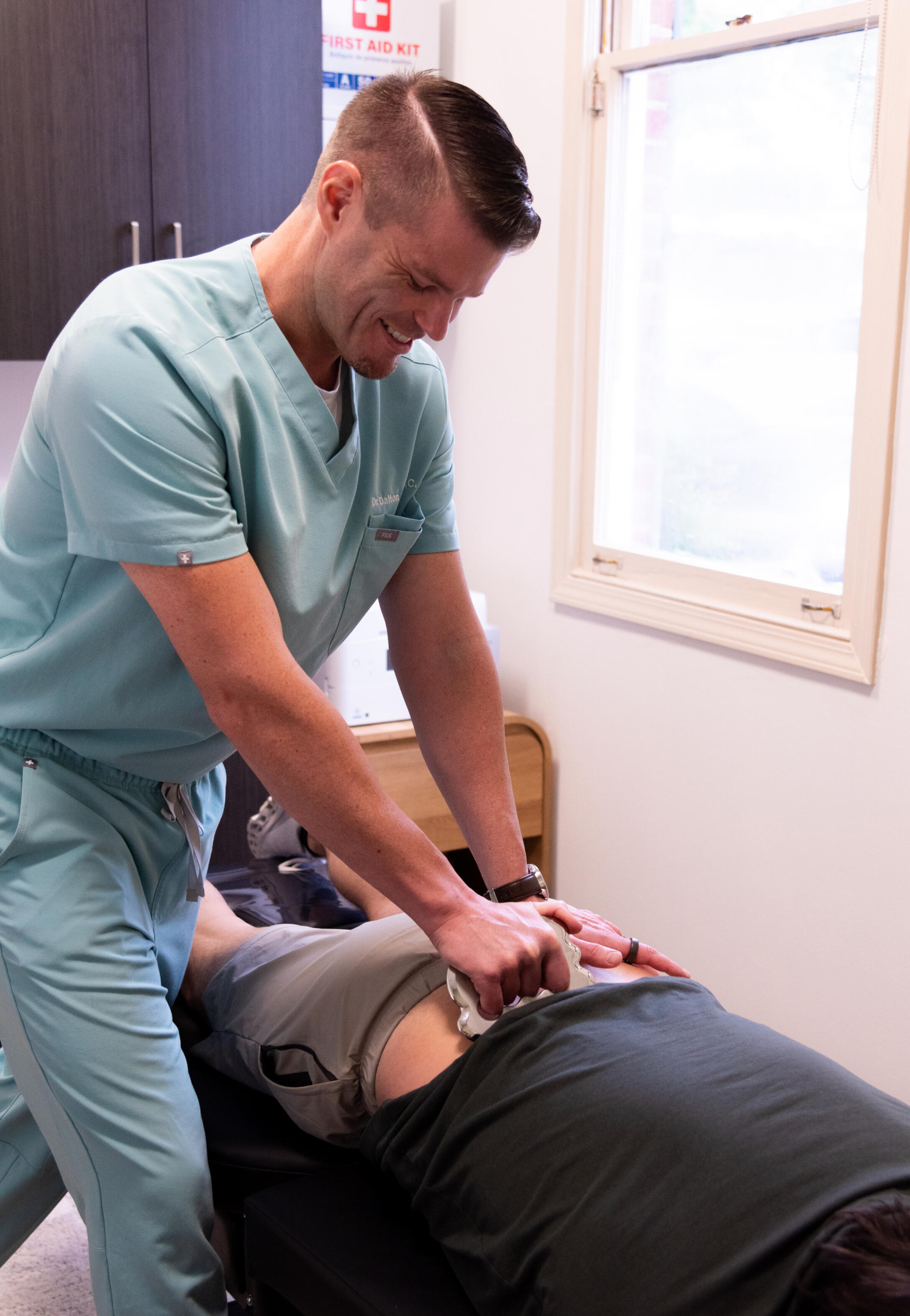
Research on IASTM Benefits
Move Better. Feel Better. Live Better.
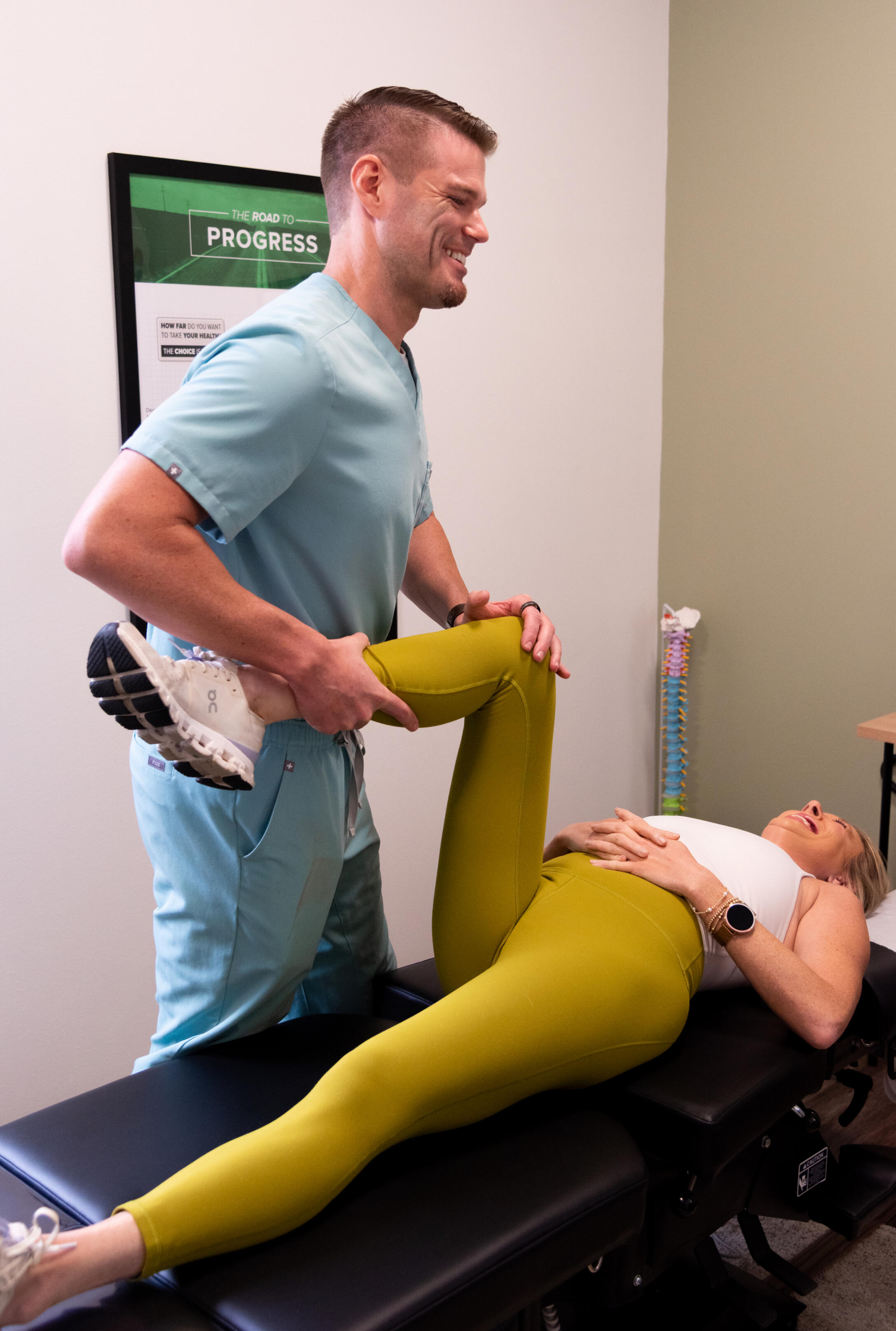
Passive Stretching
Passive stretching involves an external force, such as a therapist’s hands, a strap, gravity, or a device moving a joint or muscle into a lengthened position while the patient remains relaxed. Unlike active stretching, the targeted muscle does not contract.
Modern research shows passive stretching reliably increases range of motion and reduces muscle stiffness, both after a single session and with consistent use. Studies also link it to reduced musculoskeletal pain and improved joint mobility, making it a useful tool in clinical care for patients with limited movement, stiffness, or recovery needs when combined with other rehabilitation strategies.
Science Behind Passive Stretching
Move Better. Feel Better. Live Better.
A Clearer Understanding of the Research Behind Our Care
My hope is that you’ve gained a clearer understanding of the science behind modern chiropractic care and feel more informed about the approaches that support lasting movement and recovery.
Knowledge is most valuable when it leads to action. If something here resonated with you, consider how it might apply to your own health. Small, consistent steps—whether improving movement, addressing stiffness, or seeking care grounded in current evidence can make a meaningful difference over time.
You can learn more by visiting our website
Feel the difference that movement-based care can create in your daily life.
© 2026 Germantown Premier Chiropractic. All rights reserved.